
KATONGA WILDLIFE RESERVE
This wildlife reserve was established in 1964 as a game reserve serving as a corridor for migrating wildlife from western Uganda to Tanzania and Sudan. Later, it was designated into a wildlife reserve in 1996 after the former Game Department and Uganda National Parks merged to make up Uganda Wildlife Authority (UWA). Currently, this reserve is part of the many protected areas that are managed by Uganda Wildlife Authority and falls under the management of Kibale Conservation Area. It covers an area of about 207 square kilometers.
It is largely a savanna grassland area and situated within the district of Kyenjojo and Kamwenge. To get to this reserve, you will spend about 3 hours driving from Kampala to Kyegegwa Town Council. Around Kyegegwa, head off southwards for about 42 kilometers while following the signposts.
The floral and faunal species in Katonga Wildlife Reserve
The floral species within this reserve comprise of rare vegetation types that include mainly the grassland, wooded grasslands, woodland, Riverine woodland, papyrus, riverine grassland and swamp. The largest part of this area is mixed savanna featuring the acacia or woodland. The largest area however features permanent as well as seasonal wetlands. It consists of several riverine and tropical forests. The reserve comes with a rare geographical location between forests, swamps as well as savanna vegetation where its diverse ecosystem thrives including variety of wildlife species.
The plant species that dominate this reserve include sporobolus festivus and chloris gayana. They thrive together with associate species such as setaria species, hyparrhenia species and occasional panicum maximum. The Katonga wetland ecosystem is interlinked with the Nile system creating a significant wetland system for human survival. There are varied categories of vegetation in this reserve and its wetlands feature variety of habitats where several of its wildlife thrives.
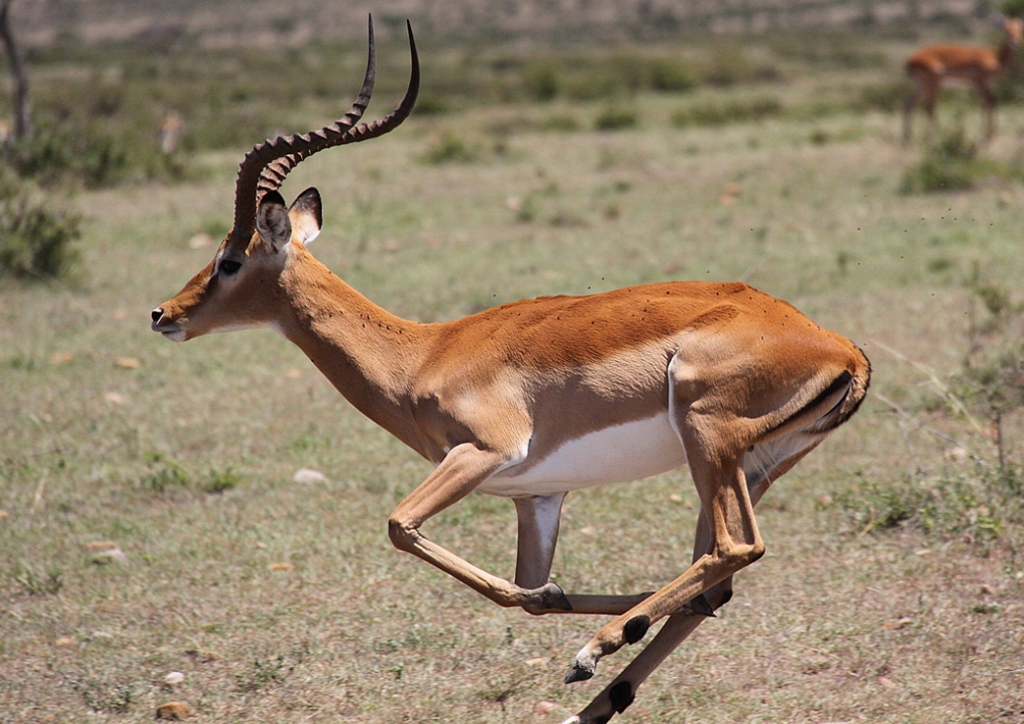
Katonga Wildlife Reserve comprises of a significant sitatunga population which thrive its wetland system. Besides, there are also waterbucks, hippos, bird species as well as primates. Around 1960s, this protected area offered refuge to several wildlife species that included the topis, elands, zebras which today do not exist. Buffaloes, waterbucks, bushbucks, reedbucks, elephants, sitatunga can be spotted within this reserve. Between 1971 and 1985, most of the wildlife species were poached both for commercial and subsistence reasons. On the other hand, it was heavily encroached by farmers and cattle keepers. Around 2014, the encroachers were evicted. In 2015, about 60 impalas and 5 zebras were trans-located to this reserve in a move to restock and boast wildlife population for tourism purposes. Today, there are about 300 impalas in this reserve and more than 150 bird species thriving within wetlands, forests and savanna. The other mammal species for you to sight at while on tour in this reserve include leopards, waterbucks, olive baboons, River otter, black and white colobus monkeys, Uganda Kobs, duikers, reedbucks, buffaloes, bushbucks, chevrotain among others. There are also many reptile species, mammal species, amphibians as well as butterflies. The other significant tourist attraction is Katonga River where this reserve derived its name. This river flows from Lake Victoria in the east to Lake George in the west.
Vegetation in Katonga Wildlife Reserve
This reserve features mixed savanna with acacia scrubland/woodland. The biggest part comprises of permanent or seasonal wetlands. Besides, some parts feature riverine and tropical forest.
What to in Katonga Wildlife Reserve
The notable safari activities for you to take part while on safari in Katonga Wildlife Reserve include game viewing where you will have a chance to view wildlife species like waterbucks, bushbucks, reedbuck, sitatunga, elephants among others, birding which offers you opportunity to sight at some of the birds that make up a total of about 150. Canoe tours-this experiences takes you through a swamp and offers you a chance to spot out different aquatic and papyrus bird species for instance the shoebill storks, sitatunga as well as the river otters. Guided walks-about 3 guided half day walking trails can be planned in this park. The Kisharara trails-leads you to major habitats within the park featuring mainly grassland, savanna and swamp fringes as well as incredible sights at sitatungas, monkeys, birds among others. The Kyeibale trail-this leads you via an area with tall rock formations and forested valleys as well as caves. The Sitatunga trail-this mainly takes you via a mixture of grassland and wetland habitats providing more opportunities for you to catch a glimpse at the sitatunga.
How to get to Katonga Wildlife Reserve
This reserve lies around Ibanda and Kamwenge district in western Uganda. In Kamwenge, it is surrounded by Biguli sub-county and other parts of Mpara sub-county in Kyenjojo district. It is about 200 kilometers by road west of Kampala and this is approximately 4 hours’ drive.
Where to stay in Katonga wildlife reserve
While on tour in this reserve, visitor usually camp and the other option is Katonga View Hotel and Lodge.
In conclusion, Katonga Wildlife Reserve is one of Uganda’s most stunning protected areas you need to consider a must to explore for you to catch a glimpse at varied wildlife species.